Boosting Profits With the Right Contractor Scheduling Software
Stop losing profit to windshield time. Learn how contractor scheduling software optimizes routes, cuts travel delays, and boosts billable hours.
Published on Aug 18, 2026

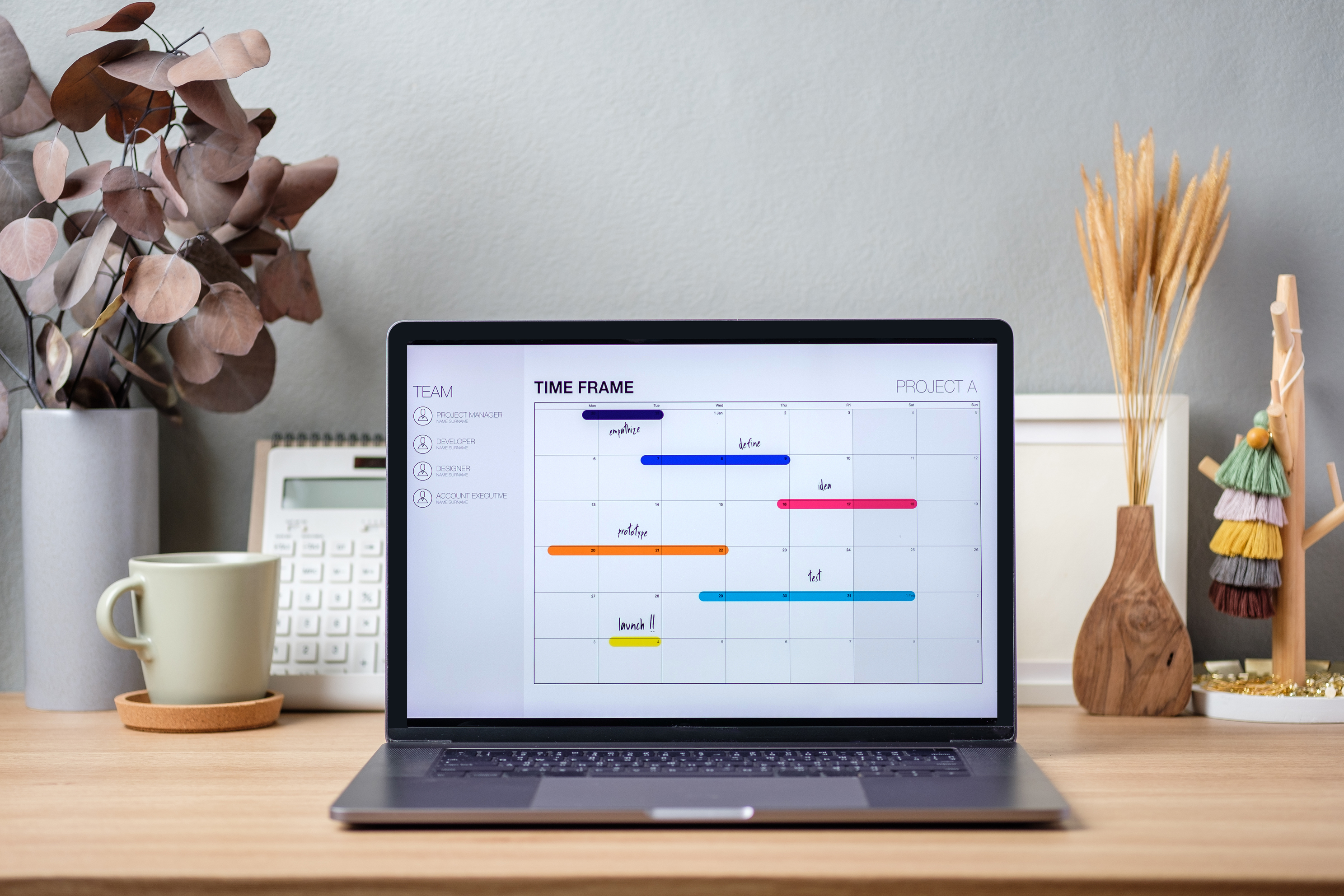
Key Scheduling Features That Drive Revenue
Better scheduling reduces idle time, missed appointments, and unbillable labor, which is honestly what everyone ends up chasing.
The right contractor scheduling software helps with routing, dispatch speed, and crew utilization, more precisely day after day.
Centralized tools help office and field teams stay aligned as call volume grows.
Tracking schedule metrics makes it easier to optimize contractor workflow and protect margins.
For HVAC, plumbing, and electrical businesses, profit often comes down to one thing: how well you move crews from one job to the next. The right contractor scheduling software can turn chaos into a repeatable system that keeps trucks moving and jobs closing on time.
Why Contractor Scheduling Software Matters for Service Businesses
In service contracting, scheduling is not just an admin task. It is a revenue engine that affects labor efficiency, customer satisfaction, and how many calls your team can complete in a day. Construction labor productivity is also a real concern across the industry, which makes eliminating wasted time even more important[1].
Contractor scheduling software helps dispatchers match people, vehicles, and jobs with fewer delays.
How poor scheduling hurts margins and creates downtime
In essence, the lack of a time marshal is always evident. Success comes down to being punctual and consistent in time; even a single small mishap can drag the schedule of the day behind the entirety, delay orders or services, and lead to a call to headquarters to remedy the situation; otherwise, such disorder may lead to serious consequences.
It is best not to leave more than a five-minute break in one’s duty schedule so as to minimize the underutilized time appearances at work. Such breaks are the most costly since human resources is typically the most expensive in terms of controllable expenses. You will still be paying for labor and other associated costs of the first scenario even when there is no profit earned.
The link between dispatch speed and customer satisfaction
Enhancing the dispatch rate will bring more benefits in managing customer satisfaction because customers get the time of arrival much quicker and will also receive a quick response instead of handling other customers' queries in the queue.
Faster provision of skilled manpower reduces unnecessary trips, and both shorten the time the technician is in the field service distribution area.
Why manual scheduling breaks down as daily call volume grows
Manual systems tend to be very brittle, especially when there is a schedule change every hour. Job cancellations, truck jams, or an emergency without a doubt will lead to misunderstanding if the team members are working on the basis of remote notes or using similar spreadsheets that are outdated.
With contractor scheduling software, changes update in one place, and the whole team sees the same plan. That reduces miscommunication and makes it easier to respond when the day changes, which it usually does.
The Hidden Cost of Inefficient Construction Crew Scheduling

It is important to manage construction crew scheduling. In the absence of proper planning and management, there is a likelihood of the workforce not being involved in their work, which causes employees to apply for leave. In case of urgency, it is less likely that a crew will be available to help in the situation.
Overbooked technicians and underused crews
It is possible that a lot of passengers cause jamming on the board, switching off the electronic barricades and rail together. When there is a sufficient number of techs in categorization, then there is no need to concentrate in certain areas.
That imbalance creates stress in the field and confusion in the office. Better scheduling tools help leadership see capacity in real time so they can distribute work more fairly and profitably.
How schedule gaps reduce billable hours
It is often the case that even a few mere minutes of waiting will accumulate. For instance, breaks such as 20 or 30 minutes here and there in the day will add up every day and week, resulting in unbearable lost production. This again leads to a decrease in billable visits per person, thins profit margins, and also affects the expansion even if the market is hot.
How Contractor Scheduling Software Improves Field Service Dispatching
Modern dispatching works best when the office has a live picture of the day. Contractor scheduling software gives dispatchers the visibility they need to assign jobs faster and with fewer mistakes.
Faster routing and job assignment decisions
When jobs are arriving frequently and throughout the day, time is of the essence. Dispatchers who are capable of grasping the location, the abilities, as well as the urgency of the tasks can quickly come up with solutions.
That is where field service dispatching becomes more strategic. Instead of simply filling time slots, you can assign work based on the fastest path to completion and the best use of technician skills.
Reducing errors with centralized dispatching tools
Centralized dispatching tools lower the risk of missed notes, duplicate assignments, and outdated job details.
If your team needs to keep track of customer details and job history too, a system that can manage customers alongside scheduling makes updates much easier. The fewer places the data lives, the fewer mistakes get made.
Ways to Optimize Contractor Workflow Across Daily Service Calls

Balancing routes to cut drive time
Route balancing is one of the simplest ways to improve productivity. When you group jobs geographically, you cut down on windshield time, and you also get to increase the number of stops each technician can complete per run.
This is especially important for teams covering a wide service area. It also supports the same principle seen in transportation efficiency planning: better coordination creates better throughput[3].
Improving communication between office and field teams
Communication gaps can be costly because they can become rework that was avoidable in the first place. When a technician does not know the newest scope, the customer’s notes, or which parts are actually needed, the job may end up taking more time than was expected, which is a problem for everyone involved.
Shared scheduling and messaging tools keep everyone on the same page. That results in fewer follow-up calls, fewer unpleasant surprises, and a more reliable day for both sides of the business.
Key Features to Look for in Contractor Scheduling Software
Not all scheduling platforms are built for the same type of contractor. The best contractor scheduling software for service businesses should make dispatch easier, not add another complicated system to manage.
Drag-and-drop scheduling and route planning
Drag-and-drop scheduling becomes very handy when sudden emergencies, cancellations, or weather issues happen, and then you need last-minute changes.
Route planning should also be built in or easy to access. When you can reorganize stops based on location, you can cut drive time and improve daily output without adding extra staff.
Mobile access for field technicians
Mobile access reduces back-and-forth calls and helps technicians stay focused on the work in front of them.
It also helps with accountability. When crews can update job status from the field, dispatch has better information for the next assignment and the customer gets better communication.
Integration with estimating, invoicing, and CRM tools
Scheduling works best when it connects to the rest of the business, making your team spend less time re-entering data and fixing mistakes.
That kind of visibility also makes pricing and billing cleaner. For companies evaluating systems, it helps to understand how each module works before making a decision, including what is included in pricing.
How Better Scheduling Increases Billable Hours and Profit
Better scheduling is the real business case for contractor scheduling software. It does not just make the office look organized; it helps the company capture more revenue from the labor it is already paying for.
Tracking performance with scheduling metrics
Metrics help managers see what the schedule is actually doing. Useful measures include first-time arrival rates, completed jobs per truck, average drive time, and the percentage of scheduled work that gets finished as planned.
Performance tracking matters because what gets measured gets improved. Companies that review operational data regularly are better positioned to reduce waste and make smarter staffing decisions[4].
Scaling operations without adding unnecessary overhead
As demand grows, many businesses assume they need more admin staff to keep up. In reality, better systems often allow the same team to manage more volume with less friction.
That is where the return on scheduling software becomes clear. When you can scale service capacity without adding unnecessary overhead, margins improve, and growth becomes easier to sustain.
If you are ready to upgrade your process, explore contractor scheduling software built to help service contractors work faster, dispatch smarter, and protect profit.
Frequently Asked Questions
What is contractor scheduling software used for?
Contractor scheduling software is used to assign jobs, manage crew availability, plan routes, and keep dispatch and field teams aligned. For HVAC, plumbing, and electrical companies, it helps reduce downtime and improve the number of billable jobs completed each day.
How does scheduling software improve field service dispatching?
It improves field service dispatching by giving office staff real-time visibility into technician location, status, and workload. That makes it easier to assign the right person to the right job quickly and reduces scheduling mistakes.
Can contractor scheduling software help reduce drive time?
Yes. Many systems support route planning and geographic scheduling, which helps group jobs more efficiently. Less drive time means more time on-site and more opportunities to complete additional billable work.
What features should I prioritize when comparing scheduling tools?
Look for drag-and-drop scheduling, mobile access for technicians, route planning, and integrations with invoicing, CRM, and estimating tools. These features help you streamline operations without forcing the team to work in separate systems.
Is contractor scheduling software worth it for small service businesses?
For many small businesses, yes. If missed appointments, manual dispatching, or poor visibility are already hurting efficiency, scheduling software can quickly pay for itself by improving labor utilization and reducing costly errors