How to Turn Home and Garden Shows and Conversations Into Sales Opportunities
Master your contractor home show follow up with these proven strategies. Learn how to turn casual conversations and new leads into loyal clients.
Published on Sep 22, 2026
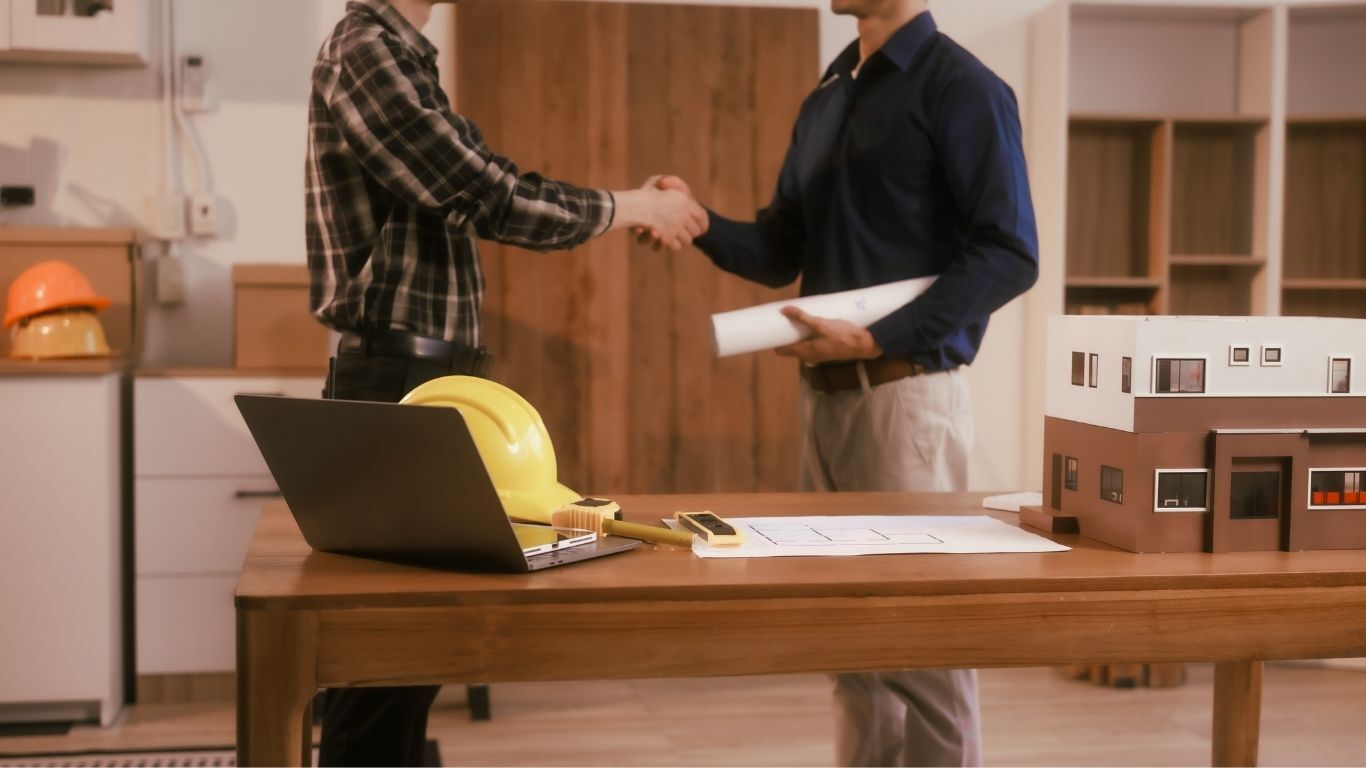
Exhibits that revolve around home and garden provide contractors with an opportunity to gain the trust of those interested in their services. This article highlights the importance of the contractor home show follow-up process after the home show exhibit. The SBA recommends setting event goals and measuring post-show results, while the FTC stresses accurate outreach when evaluating trade show performance and communicating with prospects.
Why Contractor Home Show Follow-Up Drives ROI After Home and Garden Shows
Visitors normally make comparisons and choose the people they can trust. Revenue is normally generated after the fact through consistent contractor home show follow-up. The SBA says that you should not measure only the number of leads, but the lead quality, the appointment rate, the estimate rate, and the sales rate.
How trade show conversations turn into real sales opportunities
The perfect booth discussion is one that identifies a need, establishes trust, and leaves an action item. You should ask questions regarding their project, timing, and any concerns they have, and then write down the information to be used in the future lead generation process.
Common reasons home show leads go cold
Leads become lukewarm due to contractors who delay too much, use generic emails, or do not qualify their visitors. If everyone is treated in the same way, leads that should be followed up on properly are likely to be overlooked. It helps to have a standardized procedure for following up through emails and text.
What a strong follow-up process changes for contractors
A formal process allows teams to be quick, personalize communications, capitalize on opportunities, and assess consultations, bids, and projects completed.
Preparing for Home Improvement Trade Shows Before the Event
The follow-up process starts even before the doors are opened. In the case of home improvement trade shows, one needs to set up a qualifying lead, prepare the team, and set up the forms. The SBA recommends measurable goals and clear procedures through objective tracking. That preparation strengthens home show lead generation and your post-show marketing strategy.
Set clear lead capture goals for your booth team.
Establish goals for quality leads, booked appointments, and high-quality conversations. As mentioned by the SBA, success must be defined by goals and lead value, and not just participation. Establish roles for greeter, qualifier, and scheduler for proper management of the booth.
Build a simple system for qualifying booth visitors.
Qualification should answer three questions: what project do they want, when do they want it, and how serious are they? A simple score based on project type, timeline, budget comfort, and decision-making authority helps prioritize follow-up. This is one of the most practical contractor sales tips because it reduces wasted sales time.
Create materials that support home show lead generation.
Brochures and other media should facilitate the next discussion. Mentioning service locations, financing, pictures of past projects, and clear calls to action will help. Customizing media according to the visitor and providing him/her with pertinent contractor resources after the expo is essential.
How to Capture Better Leads During the Show
Quality of the lead is made in the moment. Use this opportunity to ask relevant questions, look for urgency, and take good notes so that your contractor home show follow-up staff has the context they need for honest and straightforward communication.
Ask qualifying questions that reveal project readiness.
Find out what the project is about that the visitor has in mind and why he is looking for it now. Ask him if he is comparing bids or if he has a budget range set for himself. Look for keywords like "starting next month" or "before winter," and that means high intention.
Use booth scripts to start better sales conversations.
Scripts should create consistency without sounding robotic. Questions like "What kind of project brought you to the show?" or "Are you gathering ideas or ready to start planning?" help staff start useful conversations and improve contractor home show follow-up.
Collect contact details without slowing down the interaction.
The form should be kept short and should include details like the visitor's name, telephone number, email address, the kind of project he is involved with, and the timeline. Tablet forms, QR codes, or CRM forms may help to get the details fast. The visitor should be asked for permission before he is put in any mailing list.
Identify high-intent prospects before they leave the booth.
Prospects that have high intent usually inquire about prices, finance, or schedule appointments. If you notice that something like that happens, always provide the prospect with a clear call to action.
A Step-by-Step Contractor Home Show Follow-Up Plan
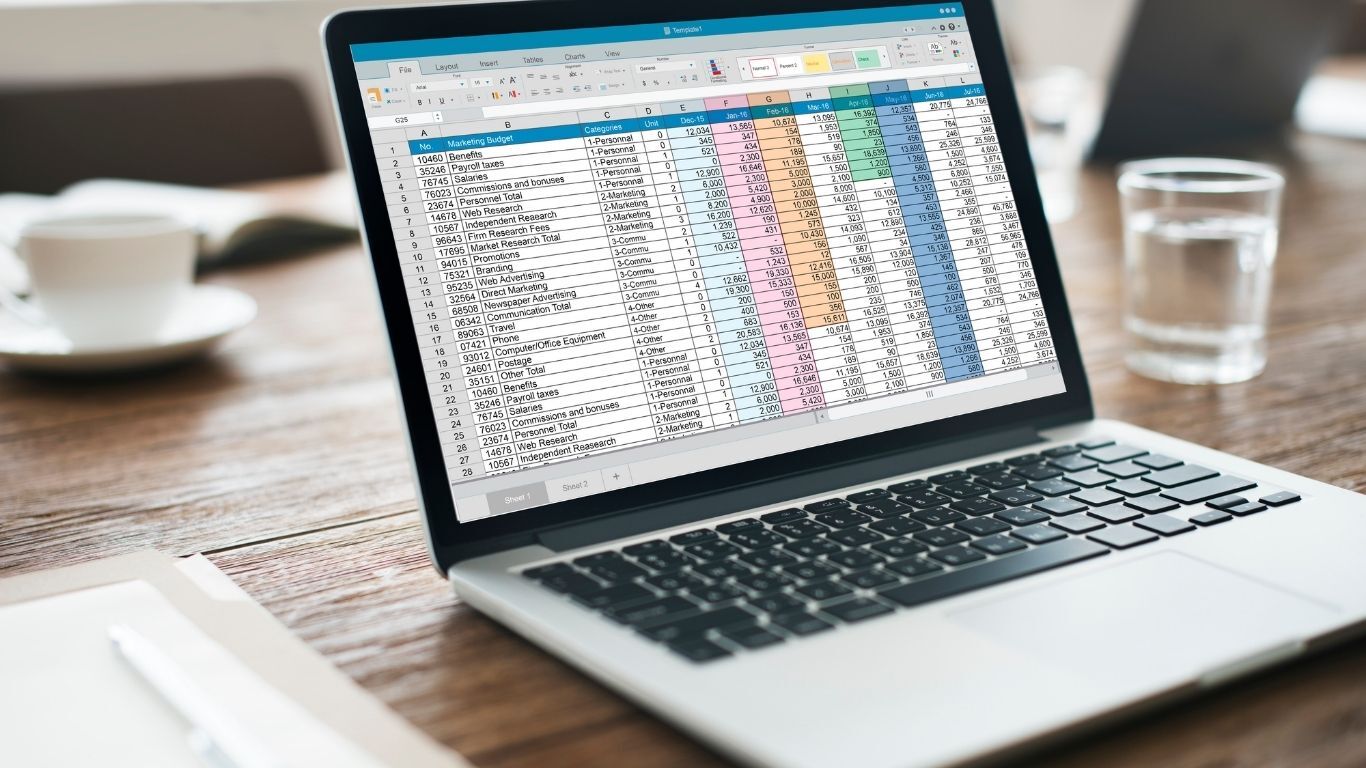
In any case, the race is on after the event. Your prospects have met several other contractors already; hence, it is important that you move quickly to remind them who you are and why it was an important conversation. The SBA recommends following up on leads and evaluating outcomes with a clear report and conclusion.
Send the first follow-up message within 24 hours.
Contact any leads you may have within 24 hours if possible. Thank them for stopping by, bring up your show, bring up the project you talked about, and give them something concrete to do next. Only send them what they asked for.
Segment leads by interest level and project timeline.
Separate hot, warm, and long-term leads. Someone planning a project this quarter may need a direct call, while a homeowner planning for next year may be better suited to educational content and periodic check-ins. Segmentation is central to a strong post-show marketing strategy.
Use personalized outreach to keep the conversation going.
Generic "checking in" messages are easy to ignore. Mention the homeowner's project, concern, or goal. Good booth notes make personalization faster and more useful.
Build a multi-touch sequence that keeps prospects engaged.
Not just one message will do. Think about using a series including an email thanking the person for their time, making a telephone call, sending information, and following up with a subsequent communication. All must be conducted professionally and honestly, according to FTC guidelines.
Post-Show Marketing Strategy That Converts Leads Into Consultations
The key to a successful post-show marketing strategy is to enlighten, assure, and motivate homeowners. There are many potential clients who will take some time to compare and analyze budgets, which is why consistent communication becomes important for staying on their minds.
Use email marketing to re-engage show attendees.
Open your email with a brief thank-you note, followed by one of the following: either provide a helpful source that may be relevant to the particular project, or respond to a topic that was covered at the booth. Each email should contain only one call to action.
Retarget booth visitors with social and digital ads
Through retargeting, you maintain your brand's visibility among prospects who aren't yet ready to make reservations. Employ images before and after services, testimonials, and special deals related to the services shown at your booth. It works well alongside email and other digital marketing content.
Nurture undecided prospects with helpful content.
Not everyone who attends your event wants to purchase something right away. Using informative content, checklists, FAQs, and planners will establish credibility without making sales and help with future consultations.
Align your follow-up messaging with the customer journey.
The correct message is dependent on the prospect's level. The early-stage prospect requires education and credibility. The mid-stage prospect requires proof and clarity of process. The late-stage prospect requires a next step. This makes contractor home show follow-up feel relevant, not repetitive.
Sales Tips to Turn Show Conversations Into Loyal Clients

Strong contractor sales tips go beyond closing the first project. Track what works, improve each event, and use follow-up to create a customer experience that can lead to repeat work and referrals.
Create urgency without sounding pushy.
Use practical reasons for acting, such as deadlines, timetables, or even seasonality of the issue. Explain the reason for the need to act quickly instead of saying that the issue is rare. Useful urgency aids in decision-making without unnecessary pressure.
Handle objections with value-based responses.
If prospects voice doubts regarding the price, time frame, or competitive bids, address the concern and counter with value. Address issues relating to scope, craftsmanship, longevity, finance, or process. Use case studies, FAQs, and customer service guides as part of the conversation.
Track follow-up results to improve future trade shows
The number of leads generated, contacts made, appointments set, estimates provided, sales made, and cost of the event should be measured. It is also important to identify which staff, scripts, and segments worked best. As suggested by the SBA, observations and conclusions should be recorded at the end of the event.
Turn one-time show contacts into repeat and referral business.
After a project is complete, stay in touch with maintenance reminders, useful updates, and appropriate referral requests. Strong contractor home show follow-up can start a long-term customer relationship. Continue refining your process with event marketing resources.
Frequently Asked Questions
How soon should I follow up with home show leads?
Follow up within 24 hours where possible. Quick follow-up makes the prospect remember the discussion and makes your team seem responsive.
What should I say in the first follow-up message after a home and garden show?
Express your appreciation for the visit of the prospective client and state the project that was discussed, along with giving one option for moving forward, such as scheduling an appointment.
How do I qualify booth visitors without making the conversation feel like an interrogation?
Ask simple questions relating to project type and timing and what led to their interest. Make sure that your discussion is beneficial and use their answers to gauge where they are in the buying process.
What is the best way to segment home show leads after the event?
Interest and project schedules dictate group leadership. The highly interested prospects should be directly contacted personally, while others may be reached via email and educational marketing.
How do I know if my home show lead generation efforts are working?
Monitor the entire funnel from initial booth interactions to consultations, estimations, email, and actual sales conversions. If you have a large number of leads but low booking activity, check your qualification, response time, and message.